(River Tay weekly report week ending 12th September 2026)
We’re now in mid-September, and only four full weeks of the 2026 Tay salmon fishing season remain. River levels have been desperately low over the summer months and the early autumn period and anglers are still waiting for that big lift in water to clean out the river and freshen conditions. Hopefully this will also be the catalyst for improved catches on the Tay system.
It was another unsettled week of weather with some showers and even some longer spells of rain. A deep area of low pressure centred to the north-west of Scotland brought strong winds and heavy showers to much of the country on Tuesday. This led to a small rise in river levels mid-week. Wednesday and Thursday were drier before more unsettled weather moved in over the weekend. Despite the heavy showers and rain, there was still no big lift in water that many were hoping for. There were some nice fish caught from the Tay system last week, including multiple fish weighing in excess of twenty pounds. Indeed, the heaviest fish caught from the Tay system last week tipped the scales at a magnificent twenty six pounds.
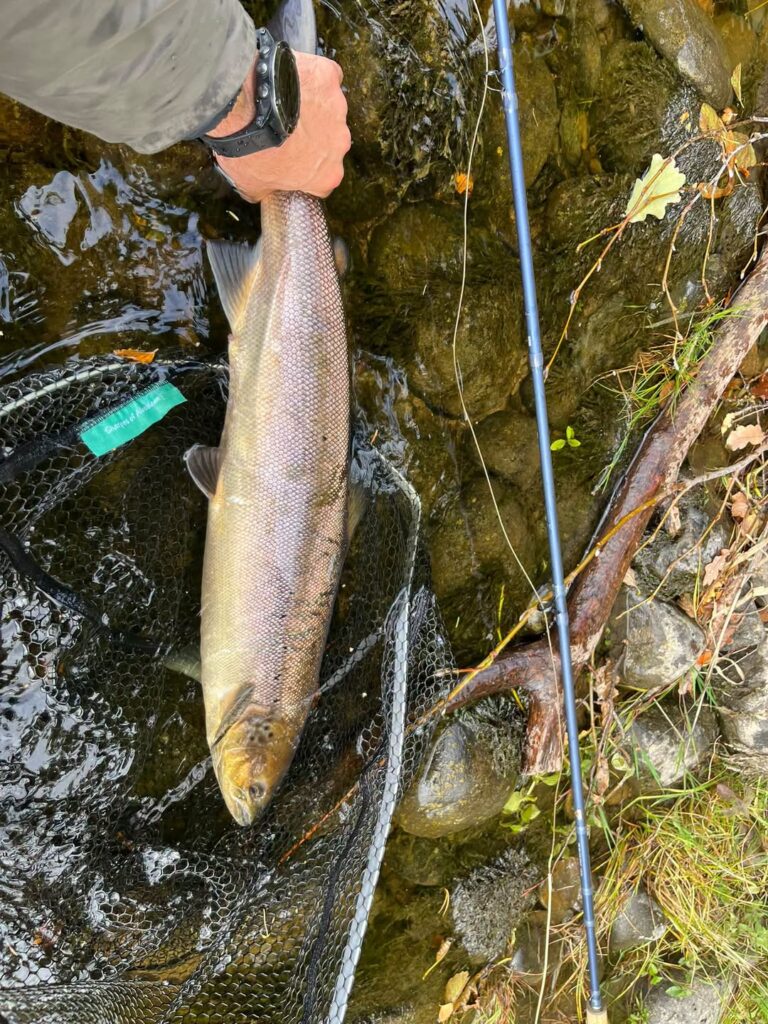
There were fish caught on the upper river at both Farleyer beats and Upper Kinnaird last week. On the middle river it was good to see a fish caught at Lower Kinnaird, Dalguise and Dalmarnock. Mr Alex Dzwig landed a good fish from the Deans Burn on Saturday at Newtyle. Murthly was successful on Thursday. At Stenton, four fish were landed over the course of last week.
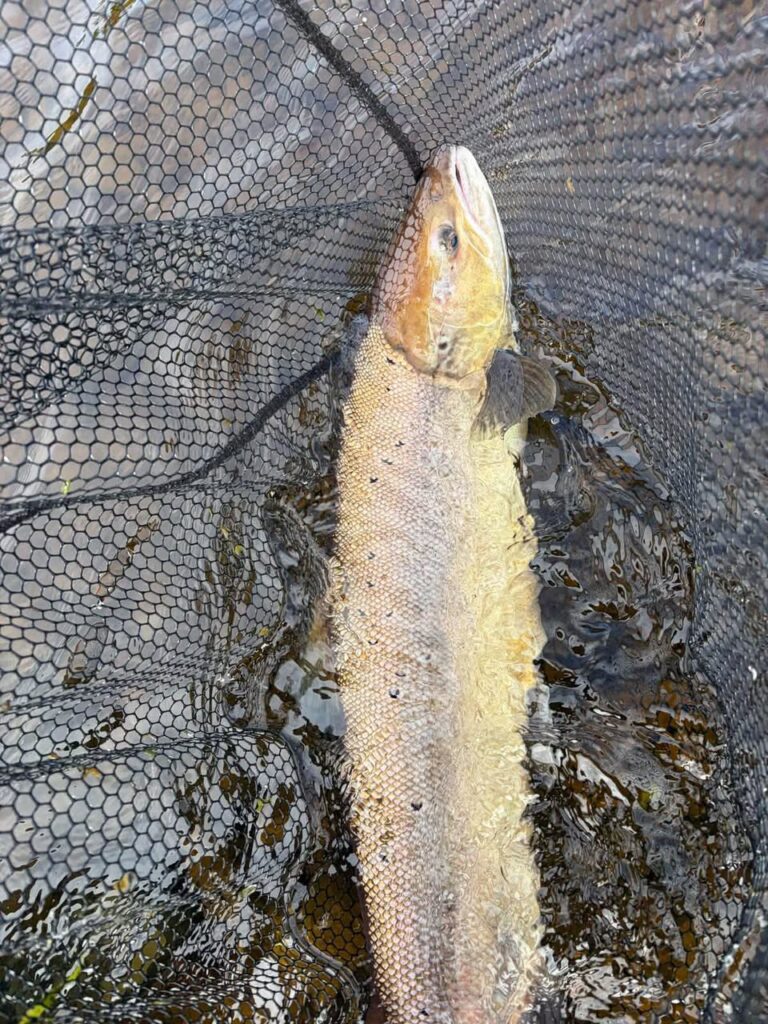
Mr Tom Wright caught two nice fish at Kercock on Monday. Mr Geoff Hignet had a day to remember at Kercock on Tuesday, when he caught three fish from the beat with a combined total weight of thirty-four pounds. What a great day’s sport!
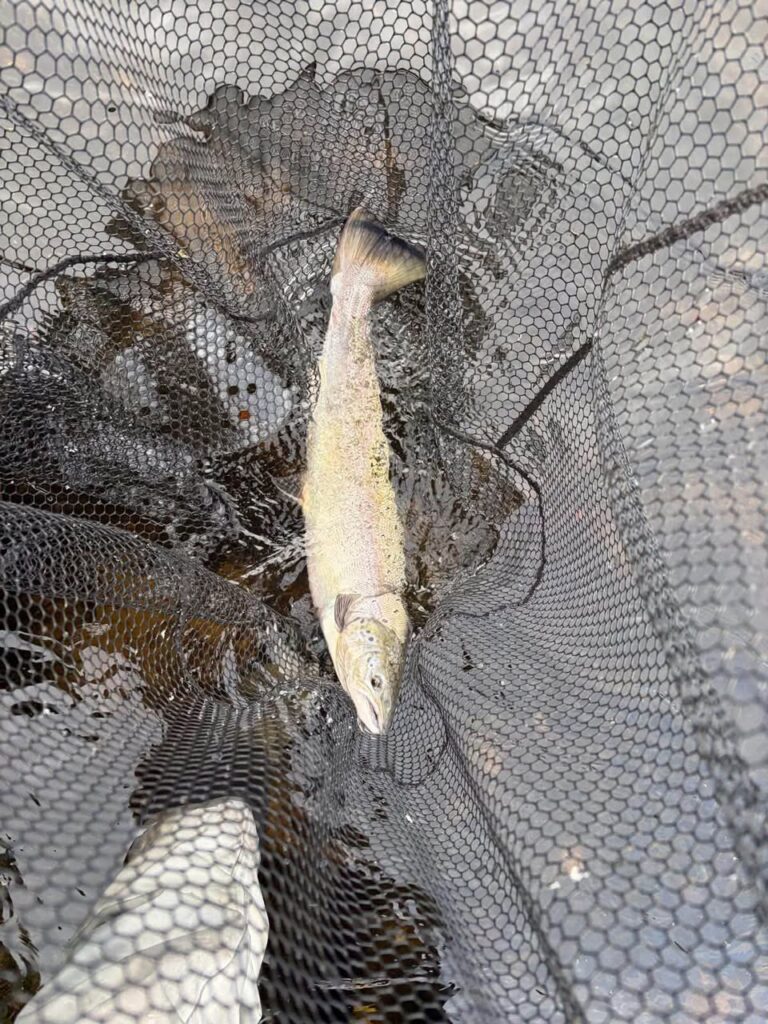
On Wednesday, Mr Cliff Waite caught a cracking thirteen pounder at Kercock, and Mr Tom Wright had more success. Three more fish were caught at Kercock on Thursday. On Saturday, anglers caught six fish at Kercock. Successful anglers included Mr John Dewar and Mr Sandy Datta. It was good to see fish caught at Meikleour on Thursday and Saturday.
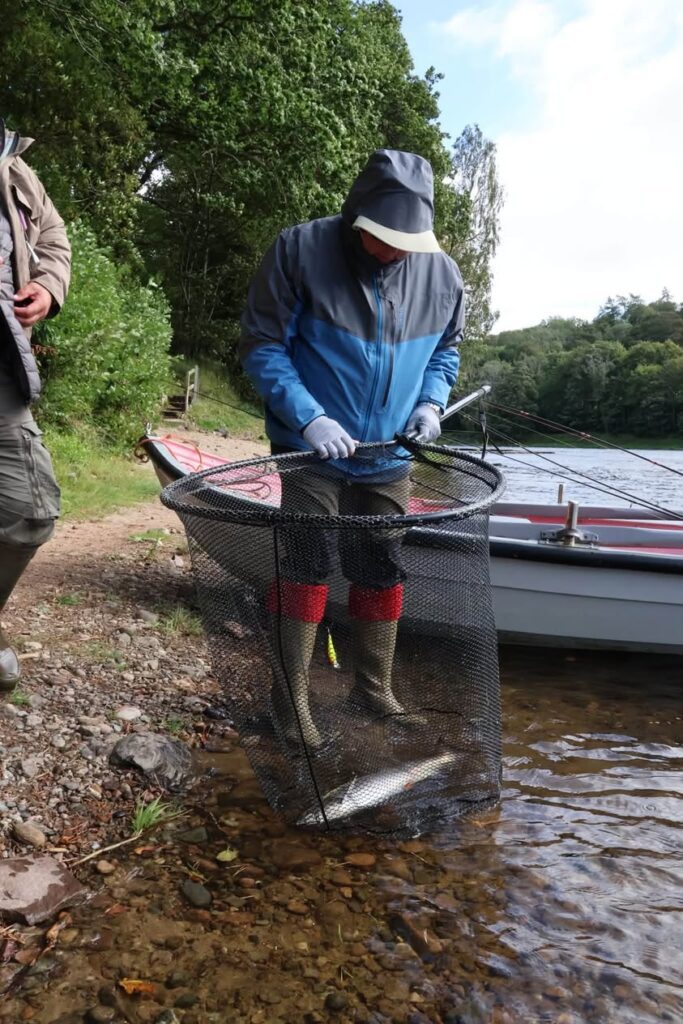
Mr Kev Andrews caught a nice fish from the Longhead at Islamouth on Wednesday, with two more fish landed from the beat on Thursday. Mr Michael Sly caught a fine seven pounder at Ballathie on Tuesday. This was despite the strong winds. There was more success at Ballathie on Saturday.
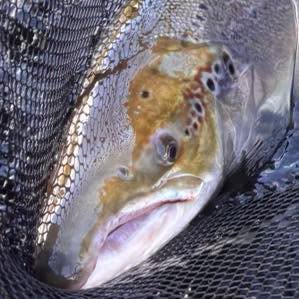
Anglers caught three fish at Cargill on Monday, with more throughout the week, including nine on Wednesday.
Successful anglers at Cargill last week included Mr Neil French and Mr Barry Ward amongst others.
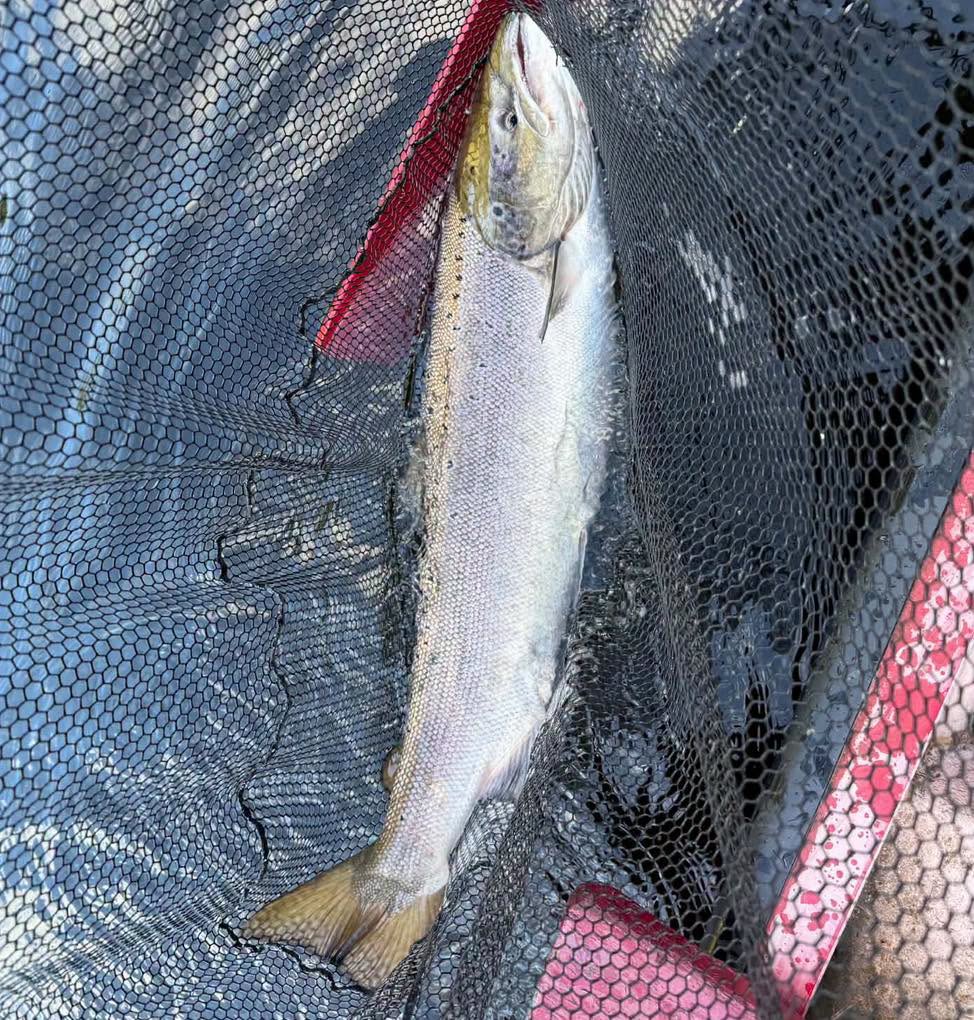
The Stobhall and Taymount beats finished with nineteen and seven fish respectively for the week.
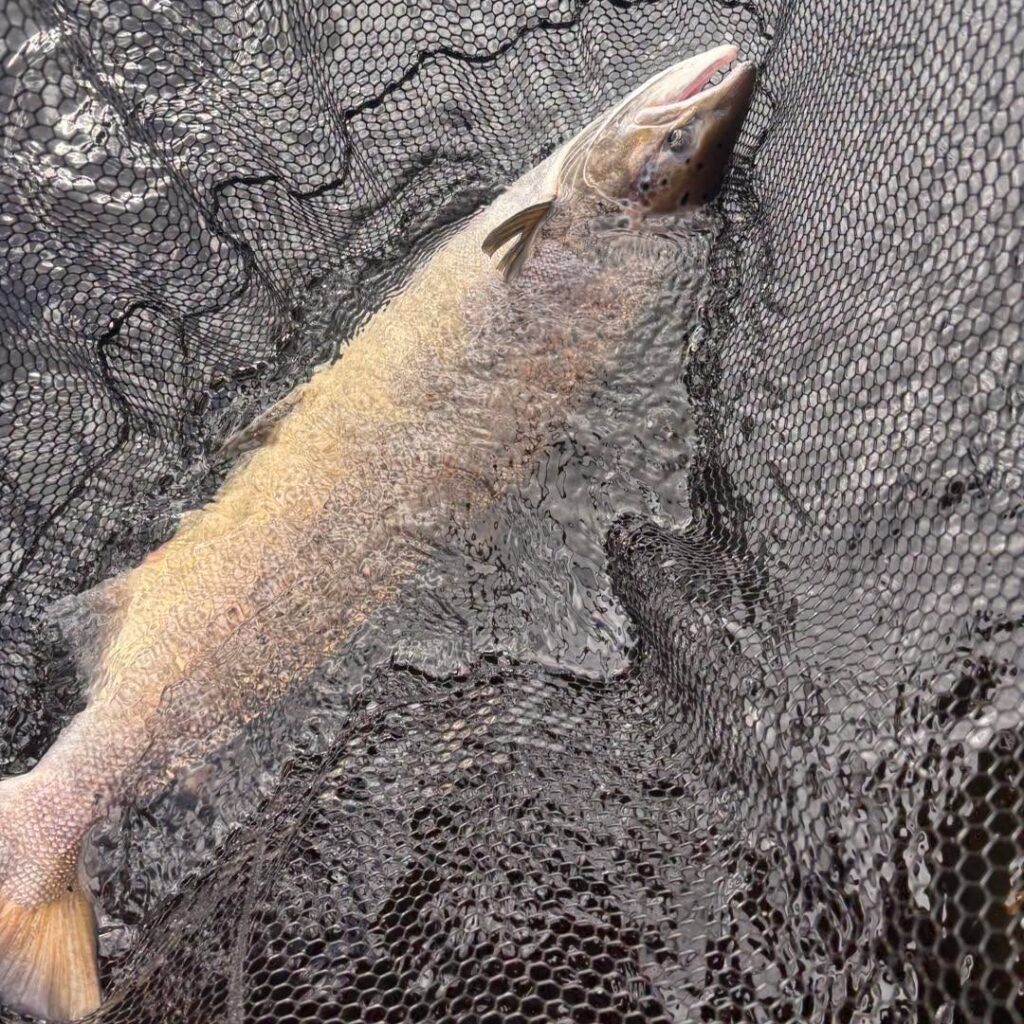
On the Stanley beats there was success at Catholes and Pitlochrie on Friday. A couple of fish were caught at Benchil on Tuesday, with three more landed from the beat on Thursday. Successful anglers included Mr Austin Coxhead, Mr T German, Mr Max McIntosh and Mr Alistair Jack. At Upper Scone, anglers caught a magnificent twenty two pounder from the beat on Monday and a twenty six pounder on Wednesday. This just goes to show the calibre of fish the Tay is capable of producing at this time of year. The Upper Scone Beat finished the week with fifteen fish.
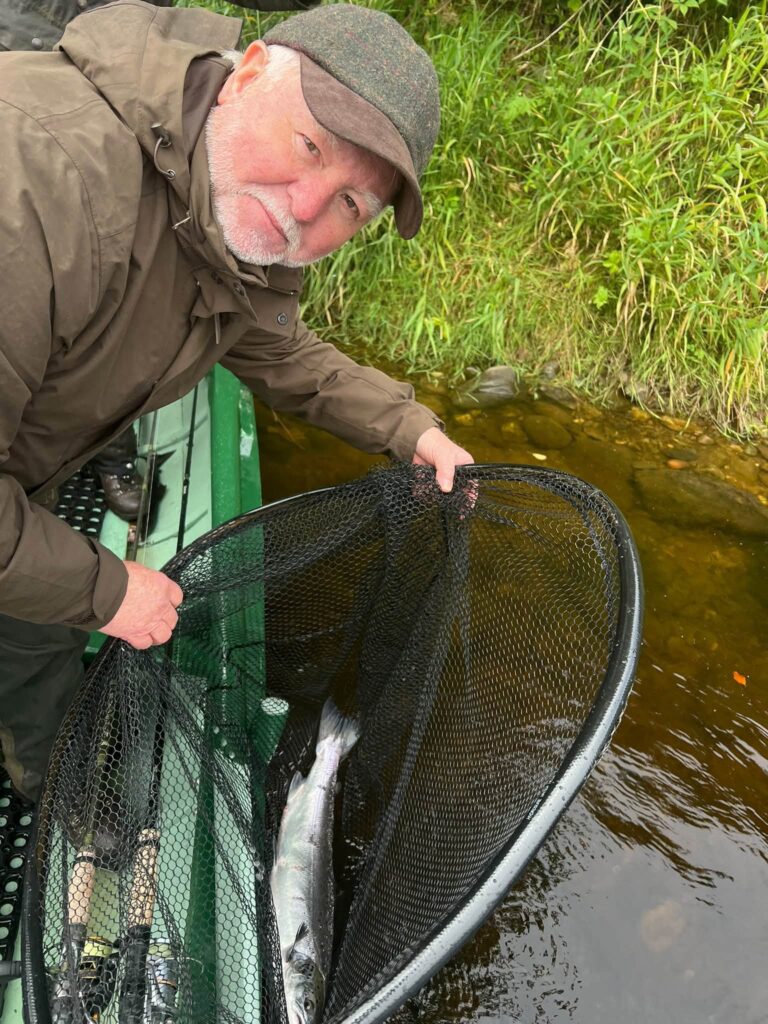
On the Fishponds Beat, it was a happy Monday for Mr Steve Wright and Mr Philip Smith, who both caught fish on a Vision 110. Steve and Philip went on to complete a Macnab, a brace of grouse and a stag each.
On Wednesday, three salmon were landed, including a lovely fish weighing in at twelve pounds on the fly from the Craigs, a nice seven pound fish on a Vision 110 from the Well Hole and Mr Ian Law landed a nice six pounder from Benchil Green. On Friday, Mr George Bailey landed a twenty pounder on the fly from Benchil Green and Mr Alistair Jack caught a five pound fish from the Craigs on the fly. On Saturday, the rods bent for Mr George Bailey and Mr Graham Dempster, who both had success from Luncarty.
The Waulkmill Beat finished with eleven fish for the week, including a twenty four pounder landed from the beat on Thursday.
With only around four weeks of the salmon fishing season remaining on the River Tay, time is running out to land that last big Tay salmon of the year, so why not have a cast? Nothing beats landing some Tay September crackers!
We would like to thank all the ghillies and beat owners on the River Tay system who have contributed to this report by providing their time and information, as the weekly report would not be possible without your help and support. If you would like to share any interesting stories or pictures from your time fishing on the River Tay for the purposes of this report, please feel free to contact us at info@salmonfishingholidaysscotland.com
Good luck to all those anglers fishing on the River Tay next week.
Tight lines,
Samantha & Sandy Datta
Beat Catches Reported (week ending 12th September 2026)
SALMON & GRILSE: Upper Farleyer 2, Lower Farleyer 1, Upper Kinnaird 1, Lower Kinnaird 2, Dalguise 1, Dalmarnock 1, Newtyle 1, Stenton 4, Murthly 1, 1, Kercock 17, Meikleour & Upper Islamouth 2, Islamouth 4, Ballathie 6, Cargill 29, Stobhall 19, Taymount 7, Catholes 1, Pitlochrie 1, Benchil 7, Upper Scone 15, Fishponds 9, Upper Redgorton 6, Waulkmill 11
Total: 151 Largest: Upper Scone 26lbs
HOPEFULLY A DECENT LIFT IN WATER IN THE DAYS AHEAD!
(River Tay salmon fishing prospects week commencing 14th September 2026)
Last week was unsettled, but it didn’t translate into the big lift in water many were hoping for. Despite this, there were some nice fish caught from the Tay system last week, including numerous salmon weighing over twenty pounds. A decent lift in the water in the days ahead could significantly improve catches.
Looking ahead, next week will be mainly dry, with showers on Tuesday. From midweek onwards, the unsettled weather will continue with frequent periods of wet and windy weather.
With only four full weeks remaining of the 2026 season, hopefully sport will improve and there will be some nice fish caught before the season finally draws to a close. There were some nice fish caught from the river last week, but the vast majority were older models, although the odd fresh fish was landed. Last week, fish were caught from Upper Farleyer down to Waulkmill, with most of the action on the middle and lower river. The best chance of success next week is likely to be on beats situated in this area of the river.
As always, the Tay system offers a good variety of salmon fishing in the coming days, with options to suit even the most discerning anglers. So why not chase a big Tay salmon next week? With less than four weeks of the season remaining, you could have that day to remember!
Good luck to all those anglers fishing on the River Tay next week.
Tight lines,
Samantha & Sandy Datta
Tactics for the River Tay during the autumn period (September and October)
The ghillies on the River Tay are all highly experienced and have an intimate knowledge of their beats. Their advice and guidance are key to success. Please contact your ghillie for up to date advice on tactics and what tackle to bring prior to visiting the River Tay.
Fly Fishing
During the autumn months, water temperatures usually begin to fall on the river but much depends on the weather. The weather and water conditions can vary greatly during the autumn months with hot weather and low water coupled with high water temperatures especially if we have an Indian summer. Conversely, it can be quite cool with regular spells of wind and rain and even night time frosts. The fish also start to become a bit more aggressive especially when they turn their thoughts towards spawning. At this time of year, full floating lines coupled with polyleaders of various sink rates can often work well especially if conditions are more akin to the summer months.
As the Tay is a big river usually a powerful fourteen or fifteen-foot rod with a ten-line rating will cover almost any eventuality. In terms of lines whether that be a full Spey line or Shooting head system a floating line coupled with a selection of polyleaders of various sink rates is perfect for the job at this time of year. In higher, colder water a sink tip or intermediate line may be required to produce the best results.
Make sure that your fly reel has got adequate backing capacity and a good reliable drag system. On the River Tay when that line tightens the fish could turn out to be that one of a lifetime. It is also important during the autumn period to use leader material with an adequate breaking strain, as there can be some large fish around towards the end of the season. Usually, a breaking strain of around fifteen pounds is ideal.
During the autumn months depending on the water height and temperature smaller dressed flies can work well if river levels are low and temperatures are high. Small bottle tubes are also well worth ago. If there are frequent night time frosts and high water, tube flies of various lengths and weights may be the order of the day.
Spinning
A powerful spinning rod between ten and eleven feet is usually more than adequate to cover the River Tay. The rod should be able to comfortably cast lures weighing anything from eighteen to thirty grams. A good fixed spool or multiplier reel with a reliable drag system is perfect for the River Tay. The reel should be able to accommodate a large amount of either nylon or braided line with an adequate breaking strain.
In terms of lures, spoons like the Toby, Salmo Toby and Blair variety work well on the river. These can range in weight from eighteen to thirty grams. Devon Minnows can also be effective on the River Tay. During the autumn months, the Floating Devon and Flying C can be particularly productive.
The Flying C lure can be fished upstream especially when water temperatures are higher and often salmon will chase the lure before taking it. The Vision110 lures have also got a good reputation for producing fish on the river. In high cold water, it can often be more about fishing the lure that bit slower and at an adequate depth.
Harling
Harling is a method unique to the River Tay which involves fishing from a motorised boat. This method is employed on many beats and can be highly effective.
Usually, two or three rods are placed in rod holders with various lures and then the ghillie skilfully combs the water by moving back and forth in the boat, whilst gradually dropping downstream, covering the likely lies on the beat. Often during the autumn months, good conditions arise on many beats for harling, especially in higher water. Harling is a method which is very much water height dependent and is practised at the beat ghillies discretion
This report is the property of the Tay District Salmon Fishery Board and may not be reproduced in full, or in part, without the prior written consent of the Tay District Salmon Fishery Board